
Industries
Industries
- General Industrial
- Aerospace
- Brick & Ceramics
- Chemical & Petrochemical
- Pharmaceutical, Food, Dairy, & Beverage
- Data Centers
- Engineering & Architecture (EPC Firms) & Major Equipment OEMs
- Glass
- Incineration
- Metals Manufacturing & Heat Treating
- OEM & Equipment Builders
- Oil & Gas - Downstream & Refining
- Oil & Gas Upstream and Midstream
- Plastics & Fiber / Textiles Industries
- Power
- Pulp & Paper
- Rubber, Cement, & Aggregate
- Semiconductor
- Test & Measurement



Data Centers
Optimize Temperature Monitoring for Energy Efficiency and Equipment Safety.
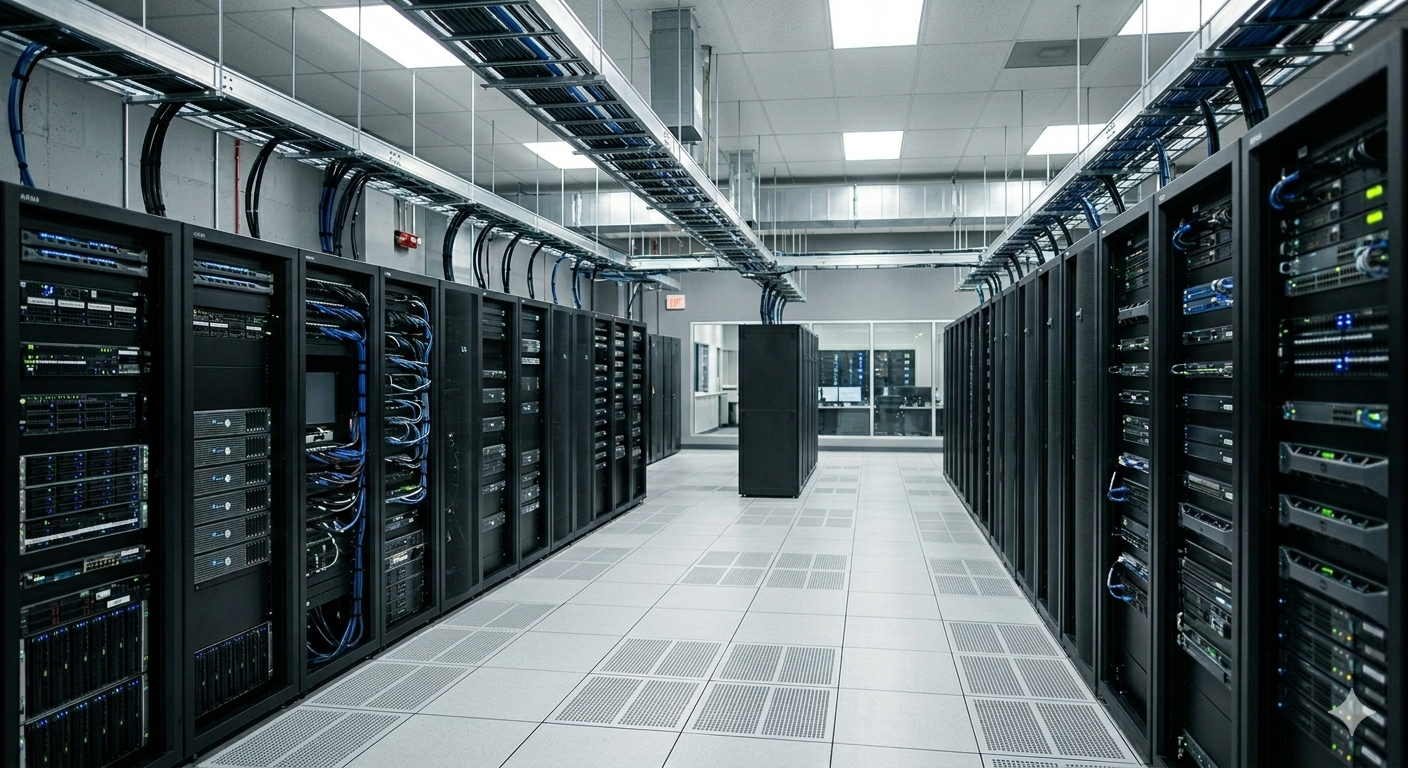
Whether your data center is air or liquid cooled, all data centers require precise thermal management to prevent "hot spots" while maximizing Cooling Effectiveness. Efficient thermal management impacts Power Usage Effectiveness (PUE), which nets out how much of the power is actually going to the servers versus all of the ancillary systems (chillers, fans, pumps, battery systems, etc.).
Accurate temperature measurement is the foundation for good thermal management.
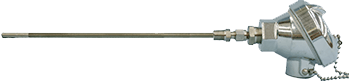
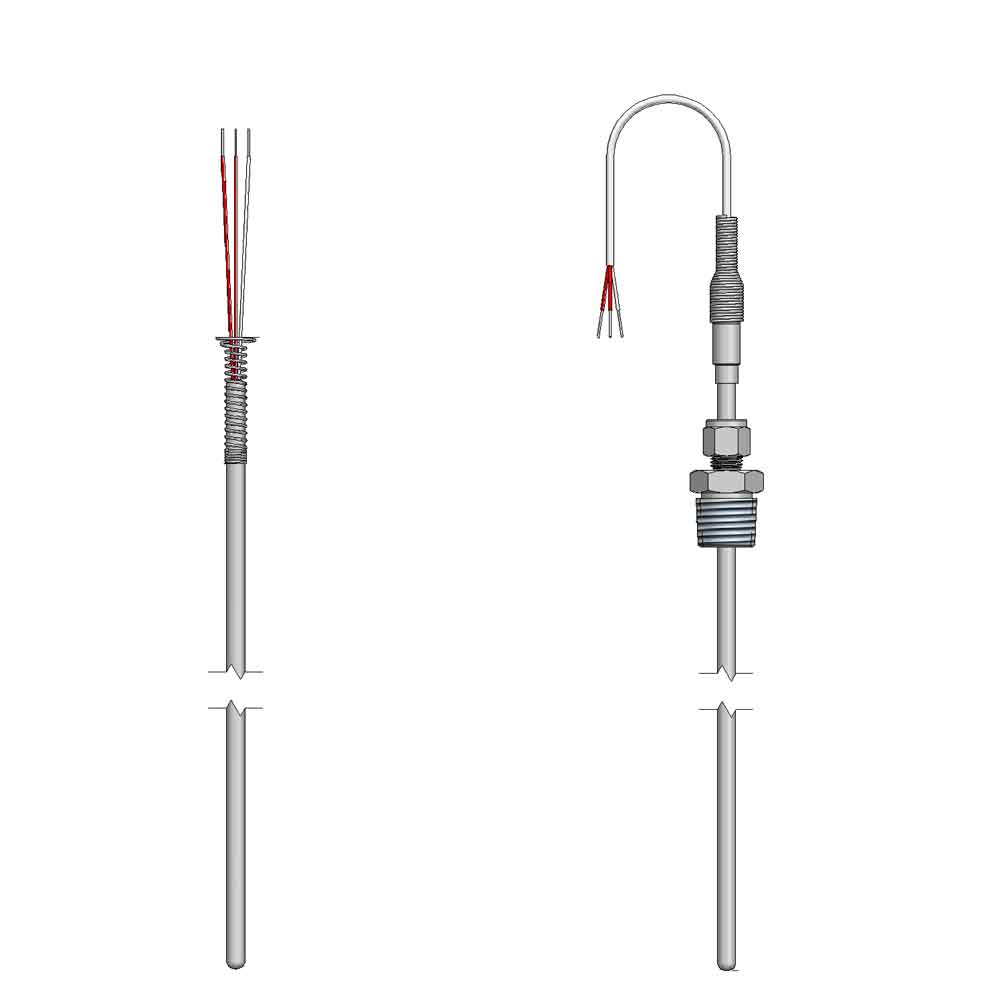
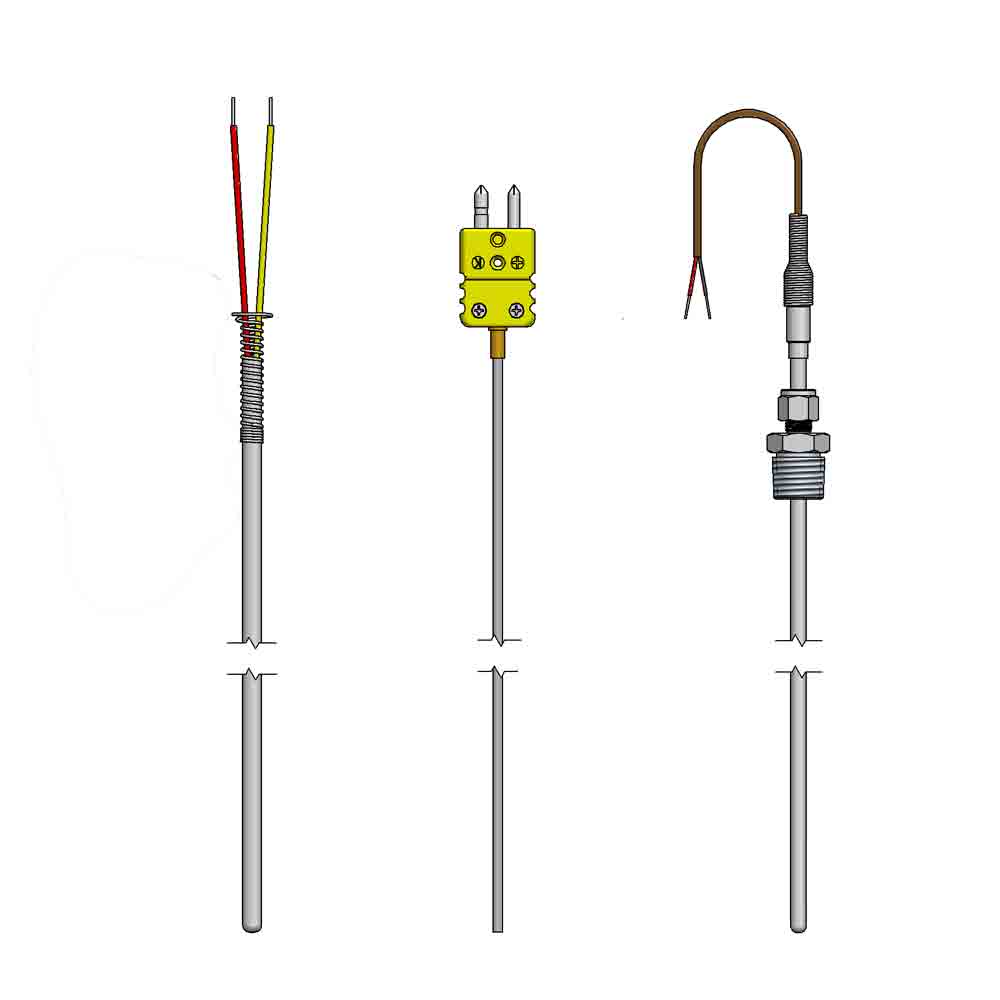
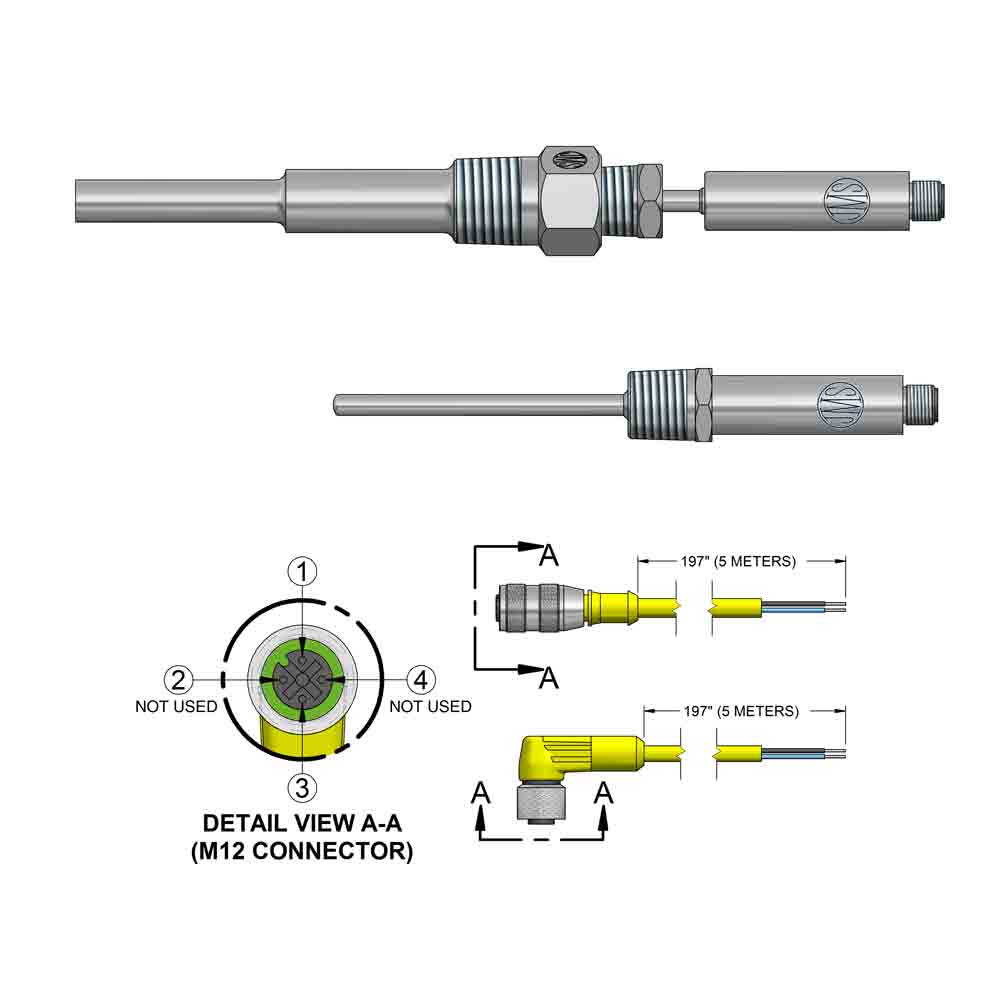
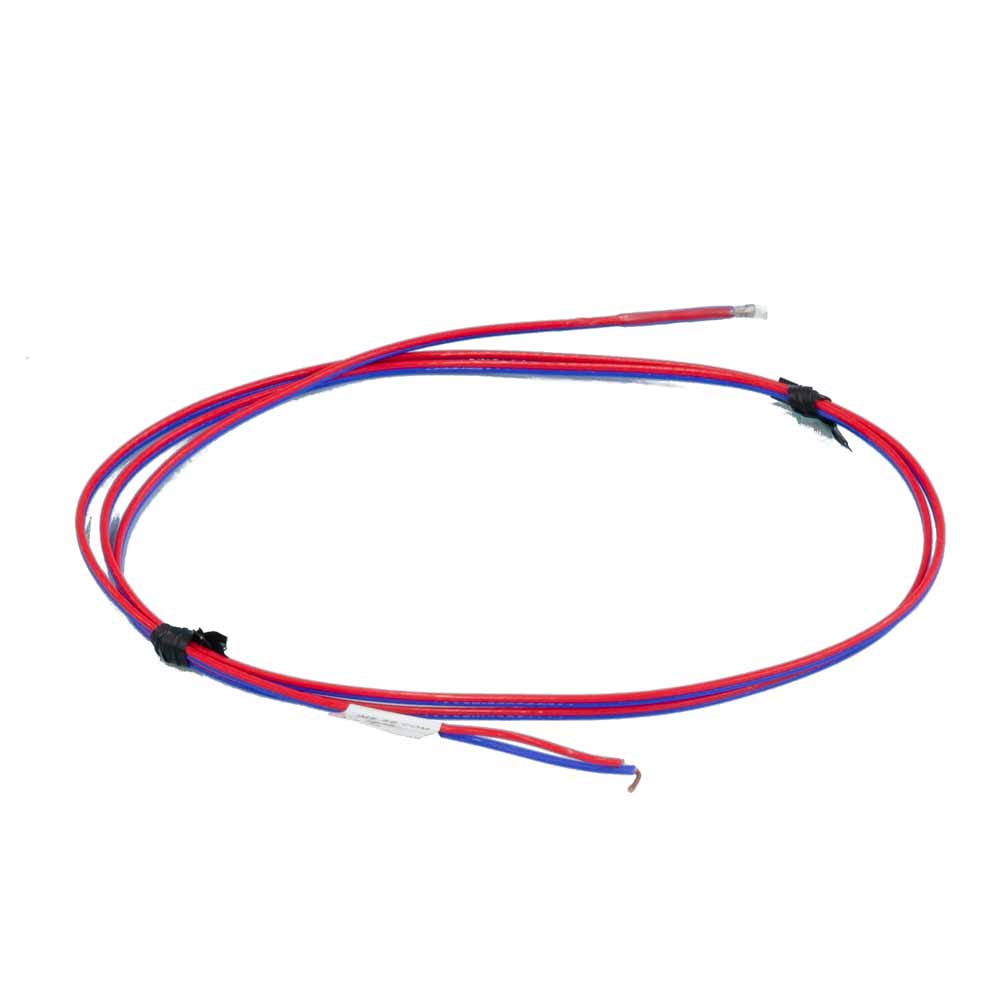
The Solution: JMS manufactured RTDs for high-precision monitoring and Thermocouples for rapid-response and exhaust testing.
Key Temperature Measurement Applications in the Data Center:
- Rack Level Monitoring: Place sensors at the top, middle, and bottom of individual server racks to identify heat stratification.
- HVAC & CRAC (Computer Room Air Conditioner) Units: Monitor intake and discharge vents to measure cooling efficiency and ensure air is reaching the equipment at the correct temperature. For server inlet monitoring, ASHRAE suggests a sensor accuracy of ±0.5°C, with high-density environments (Class H1) demanding ±0.3°C. This makes high-precision RTDs the preferred choice for primary compliance monitoring.
- Cold/Hot Aisle Containment: Strategic placement helps manage airflow patterns and prevent the mixing of hot and cold air.
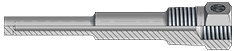
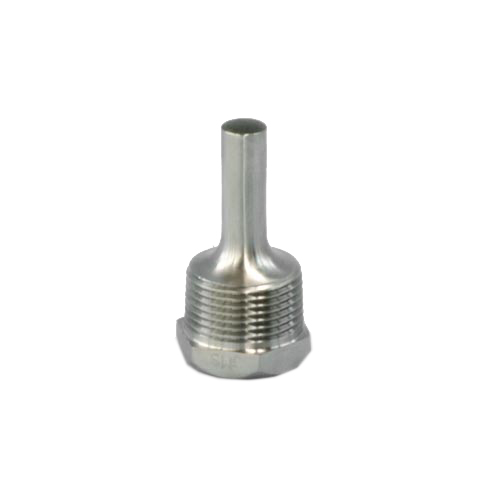
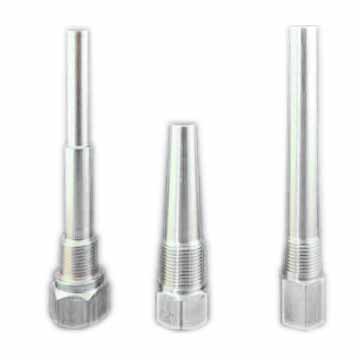
- Liquid Cooling Monitoring: Measuring cooling line temperature is vital for calculating Cooling Capacity and Power Usage Effectiveness (PUE). This involves monitoring both Supply (Cold) and Return (Hot) fluid lines. Immersion probes are the “Gold Standard”. Probes are typically inserted into a Thermowell, a protective sleeve permanently installed in the pipe. Thermowells are a critical factor in performing maintenance without down time.
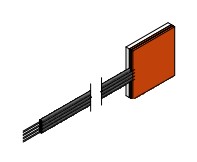
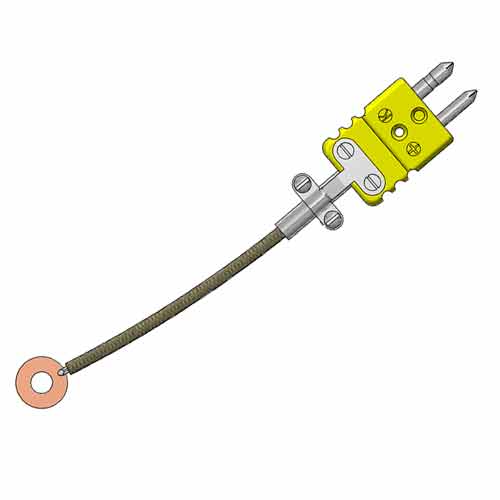
- UPS Battery Monitoring: Detect thermal runaway with a stick-on pad RTD. If a battery exceeds a temperature of 45°C that may indicate an internal short or overcharging increasing risk of fire or UPS degradation.
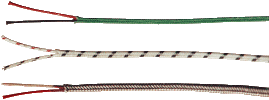
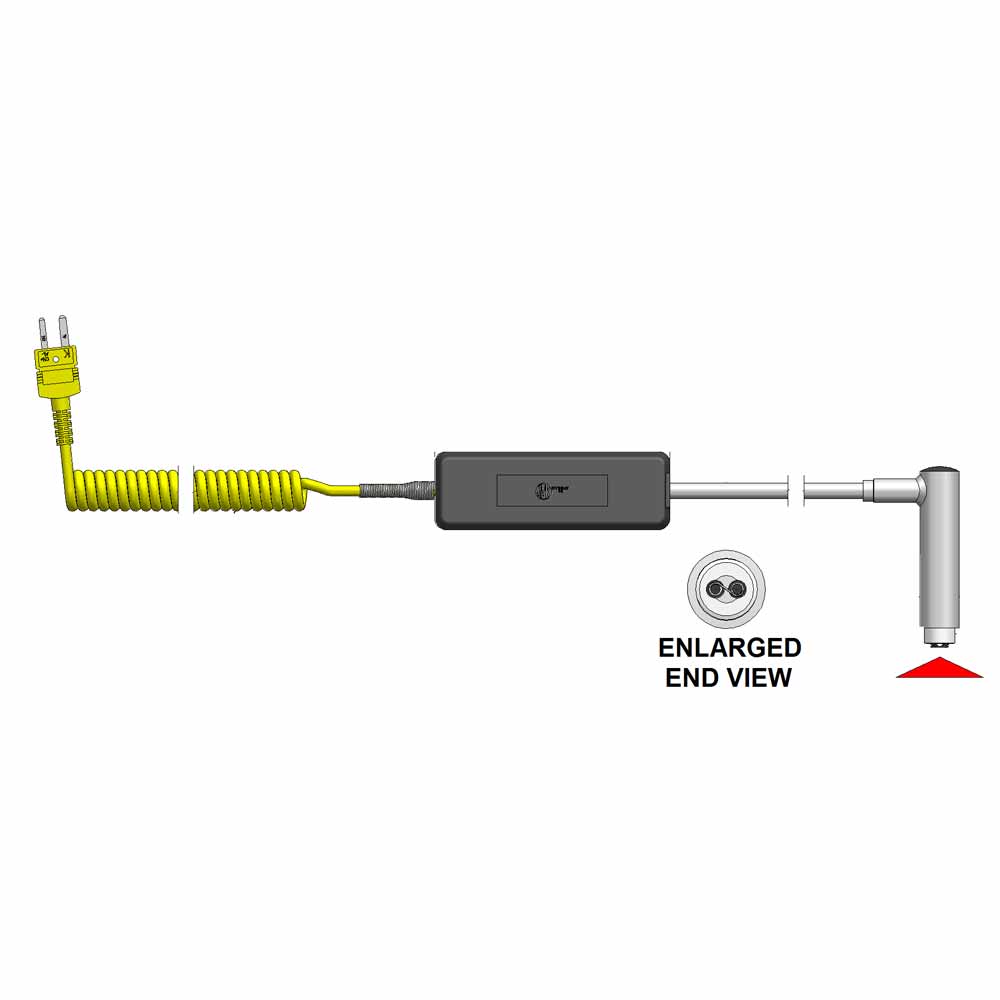
- Backup Diesel Generators: Use Thermocouples or RTD Probes to monitor your engine block heater, lubrication and cooling systems. Generators must be kept warm (typically 40°C) to ensure an "instant-on" start. Type K thermocouples are typically used on the exhaust manifold to monitor exhaust gas temperature (EGT). This ensures engine health and clean combustion during monthly load tests.
Sensor Selection:
| Sensor | RTD (Resistance Temperature Detector) | Thermocouple |
| Accuracy | High (±0.1°C to ±0.5°C); ideal for critical monitoring. | Typically lower (±1.0°C to ±2°C); However, Special Type T capable of better accuracies ±0.25°C at 121°C. |
| Stability | Excellent; minimal drift over years of use. | More drift than RTDs. |
| Response | Slower; better for ambient air monitoring. | Very fast; ideal for sudden changes in component heat. |
| Cost | Higher upfront, but lower maintenance over time. | Inexpensive and simple to install. |
Technical Implementation Tips:
- Interference Mitigation: In the electrically noisy environment of a datacenter, use RTDs because their higher signal strength is less susceptible to electromagnetic interference (EMI).
- Calibration: Perform regular system-wide calibrations. For high-density deployments, use a Portable Dry Well like the Fluke 9171 or Additel 878-160 to verify sensors in the field.
- Surface Mounting: For monitoring specific hardware components, use Adhesive Surface-Mount Stick-On Pad RTDs for easy installation on flat surfaces.
What’s In It for Me?
- Energy Savings: Using precise sensors to meet ASHRAE TC 9.9 standards allows operators to safely raise the set point of their cooling systems, potentially saving 4-5% in energy costs for every degree increased. Precise measurements allow for raising the ambient temperature slightly without risking equipment failure, significantly reducing cooling costs.
- Uptime Assurance: Early detection of "hot spots" via RTD stability prevents unexpected server shutdowns and extends hardware lifespan. The cost of a few high-quality surface-mount RTDs is negligible compared to the $10,000+ per minute cost of unplanned datacenter downtime.
- Compliance: Accurate logging supports meeting industry thermal standards (such as ASHRAE guidelines) for data center operations.
Accurate temperature measurement is critical in today’s cutting edge data center. Contact JMS today for assistance with selecting the best temperature sensor for your application requirements.
JMS Southeast, Inc.